
Costa Rica ! Jungle Beauty, Stray Cats, and One Unexpected Lesson in Kindness

Updated: Feb 26
I booked a last‑minute WestJet red‑eye from YVR to Costa Rica, with the return routing through Calgary. Because we booked so late, seat options were slim — the only way to sit together was row 20. I’d been reading all the chatter online about WestJet reducing seat pitch to 28 inches in Economy, which sounded brutal for a seven‑hour flight, so I threw in a bid for Premium. No luck. Row 20 it was.
The flight itself was your typical redeye. The food was fine, nothing memorable, and we even managed to get a bit of sleep despite the tighter space. Judging by the legroom, I’m pretty sure we ended up in those infamous 28‑pitch seats. That said, we landed in Costa Rica to a gorgeous morning, so any discomfort faded pretty quickly.
For what it’s worth, WestJet has since backed off the 28‑inch pitch idea — good news for anyone booking after us.
First impressions
Arriving the redeye, Coco Beach feels noticeably more rural than Tamarindo — quieter streets, fewer polished tourist traps, and a slower, more local rhythm. You’ll spot a mix of expats and long‑timers who’ve settled in for the lifestyle rather than the nightlife, and the town has a lived‑in, friendly vibe rather than a slick resort feel. It’s also conveniently close to Liberia (about a 35‑minute drive), which makes it an easy first or last stop on a Costa Rica trip, and the weather was reliably sunny and warm, perfect for beach walks and afternoon surf.
Coco Beach Accommodations
Colono Beach Hotel turned out to be a solid, no‑fuss find: a small but pleasant pool and a complimentary breakfast set the tone for a relaxed stay, and the place is clearly popular with both locals and international visitors. I paid about CAD 135 a night on very short notice, which felt reasonable for the value. The room was 2 bed/seperate room with a compact kitchenette — full‑sized fridge, microwave, and basic utensils making it easy to store fresh fruit and prepare simple meals. Everything was spotlessly clean, the staff were consistently friendly and helpful, and the overall vibe was practical and welcoming rather than flashy, which made it perfect for a short beachside stop.
Unexpected Company: Street Cats and a Stranger’s Ask
Later that night we met two cats — a scrappy little one‑year‑old kitten and what we assumed was her mother, who looked like she’d lived nine lives and was halfway through her tenth. Gimpy ear, scarred nose, the whole “I’ve seen some things” vibe. At first it was just the kitten, friendly and curious, but then Mom limped out of the shadows
wanting to check our credentials. Someone had left a pile of dry kibble nearby, completely untouched, which told us everything we needed to know about their culinary standards. So we went to the grocery store and bought the soft, tender stuff — the good stuff — and the guy at the checkout looked puzzled, probably wondering why two adults were buying gourmet cat dinner at 10 p.m. Maybe it was our dinner. Hard to say, but the cats approved, and that was the point.

A few days later , as we were coming out of the store from the back entrance, I heard a voice behind us: “Hey Americans, can you help me out? I just want food for my family.” I turned around — and first off, I’m Canadian, but close enough — and there he was. A Venezuelan man, tired but polite, explaining that he was trying to get home and just needed some basics: bologna, bread, whatever would get his kids through the next day.
There was no drama, no pressure, no story designed to tug heartstrings. Just a straightforward ask for food. So I said, “Sure, let’s do this,” and we walked back into the store together. While he grabbed the essentials, I pointed to a few things and said, “How about some of this? Maybe a treat for the kids?” He hesitated — pride is a universal language — but eventually nodded.
After he paid, he thanked me, and I had that split‑second of not knowing what to say. I didn’t want to sound arrogant or like I expected anything in return. So I just said, “You’re welcome. I hope if I’m ever in need, someone helps me out too.” And I meant it. You never know what’s around the corner in life.
Moments like that always make me think about the ethics of helping people when you’re travelling. It’s a balance — you want to be respectful, not patronizing, not creating a spectacle. But when someone asks for food, not money, and you can help without making it weird or transactional, it feels like the right thing to do. Quiet kindness, no spotlight, no saviour complex. Just humans looking out for each other.
Sun, Surf and Seistas
A day at Coco Beach and nearby Tamarindo
The beach at Coco Beach has a wonderfully unhurried rhythm, with soft sand, warm water, which seemed easier to access than Tamarindo which is known for surfing . Theres a steady breeze that keeps the heat gentle rather than heavy but sometimes it gusts, but very briefly . It’s the kind of shoreline where mornings feel calm and wide open, and by afternoon you get that easy mix of walkers, swimmers, and people simply drifting through the day. Nothing flashy, nothing forced — just a relaxed stretch of coast that invites you to slow down and stay a little longer.
Night Life, Live Music and Late Night Eats
The food and grocery scene around Coco Beach is impressively convenient: right across from our hotel is a large grocery outlet that clearly appeals to both locals and tourists — well stocked with fresh produce, snacks, and beach essentials — while a more polished supermarket on the main street offers a wider selection and higher‑end items at steeper prices. Eating out runs the gamut from cheap, hearty sodas to a handful of sit‑down restaurants (We ate at most and they all stood out as genuinely good), plus bakeries and coffee stands for easy mornings. Evenings bring bars with live music and late‑night carts serving meats , fruits and seafood. For drinks, the local go‑to is guaro, a cane‑sugar spirit that drinks much like vodka and is often the cheapest option at bars. Overall it’s a relaxed, varied scene where budget choices and splurges coexist, and wandering the streets usually turns up something worth trying.
Around Coco: Things To Do
Tamarindo was about an hour away, and our hotel arranged a driver so the trip was effortless; it felt noticeably more polished than Coco — more boutique shops, a few upscale restaurants, and even a Starbucks — and the vibe was livelier and more tourist‑focused. We went to see friends we’d met on our Portugal trip last year, which made the visit feel like a reunion rather than a sightseeing stop, and it was a nice contrast to Coco’s quieter, more local rhythm.
Boat Trips & Snorkeling
Coco Beach has no shortage of local operators offering reef visits and gentle coastal cruises. Whether you want a quick snorkeling stop or a relaxed half‑day on the water, you’ll find plenty of options:
• Snorkeling & coastal cruises: Calm waters and easy access to small islands make for relaxed outings.
• Local markets: Small stalls selling crafts, fruit, and beach essentials — perfect for a slow wander.
• Nearby beaches & towns: Great for breaking up the routine with a change of scenery.
National Parks & Day Trips
Tenorio Volcano National Park & Rio Celeste
A couple of hours from Coco, and absolutely worth the drive. The rainforest hike to the famously turquoise Rio Celeste — plus the nearby waterfalls — was one of the highlights of our trip. Many tours pair the hike with visits to sloth sanctuaries or other nature stops.
Our full‑day outing included lunch and a stop at a cacao and coffee plantation, where they demonstrated the process and let us sample fresh coffee and hot chocolate. The surreal blue river and waterfall are a photographer’s dream, and the whole day felt like a deep dive into Costa Rica’s natural beauty.
Llanos de Cortés Waterfall
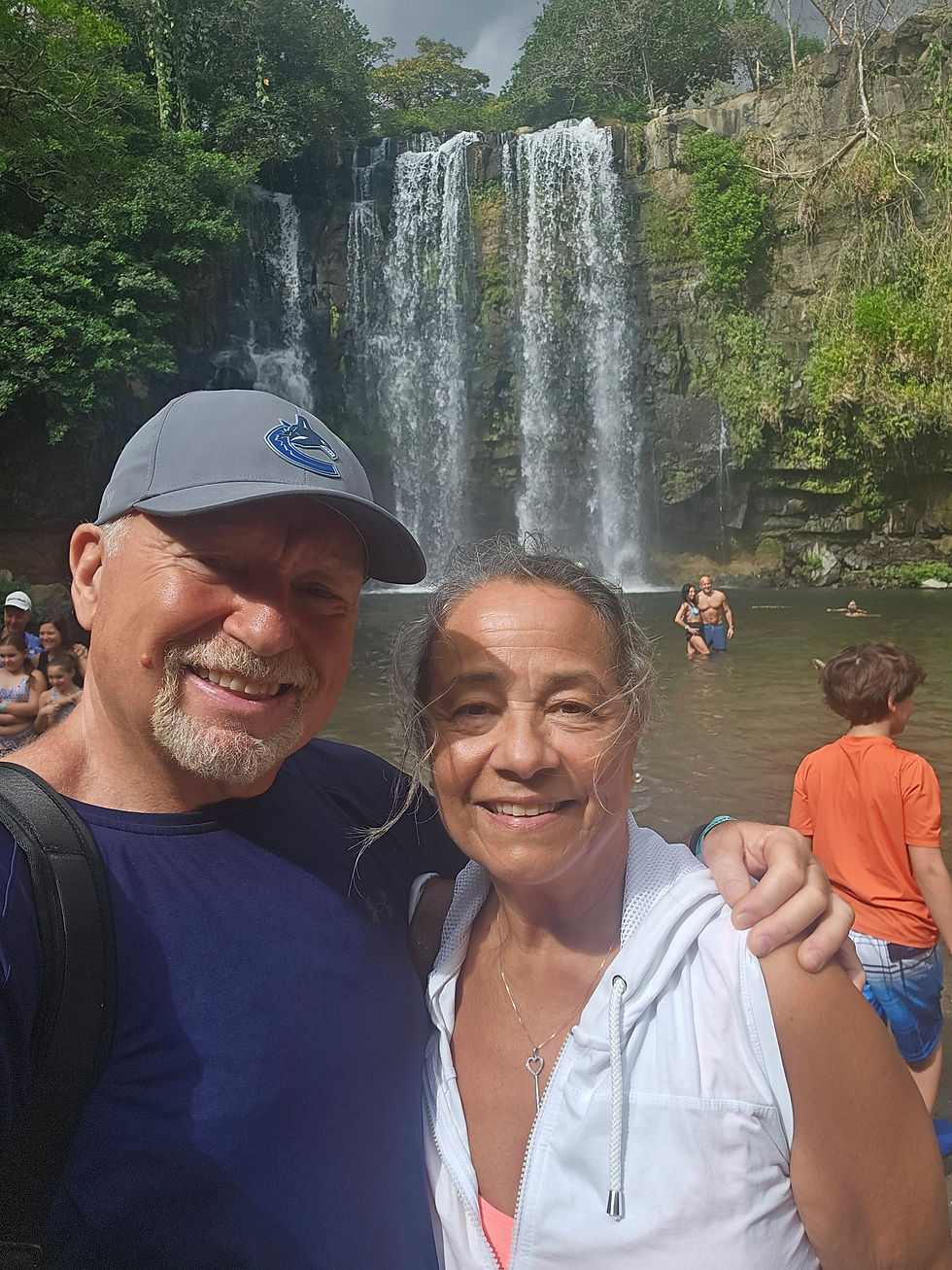
Closer to Coco, this swim‑friendly waterfall is about an hour away and perfect for a morning dip. Easy access, a large natural pool, and a peaceful setting make it ideal for a swim and picnic. It’s often paired with adventure parks or a lunch stop in Liberia.
Nicaragua Day Trip ?
We really wanted to do this one but ran out of time — too much relaxing, not enough planning. The Nicaragua day trip from Coco is a long but rewarding full‑day outing, with early pickup and all border formalities handled by your guide. Most itineraries include Masaya Volcano, the craft market, colonial Granada, and a boat tour of the Lake Nicaragua islets. Bring your passport, some cash, snacks, and be ready for a full day. We’re planning to return next winter and will likely do the overnight version — it seems worth taking the time.
Driving in Costa Rica
Driving in Costa Rica is generally relaxed, and most visitors find that police don’t bother them unless something is clearly unsafe. If you do get pulled over, officers are usually polite and straightforward. And yes — there’s often a perfectly normal, above‑board option to pay a local fine on the spot. It’s not really a bribe; it’s simply the official “pay now” method that saves you a trip to the bank.
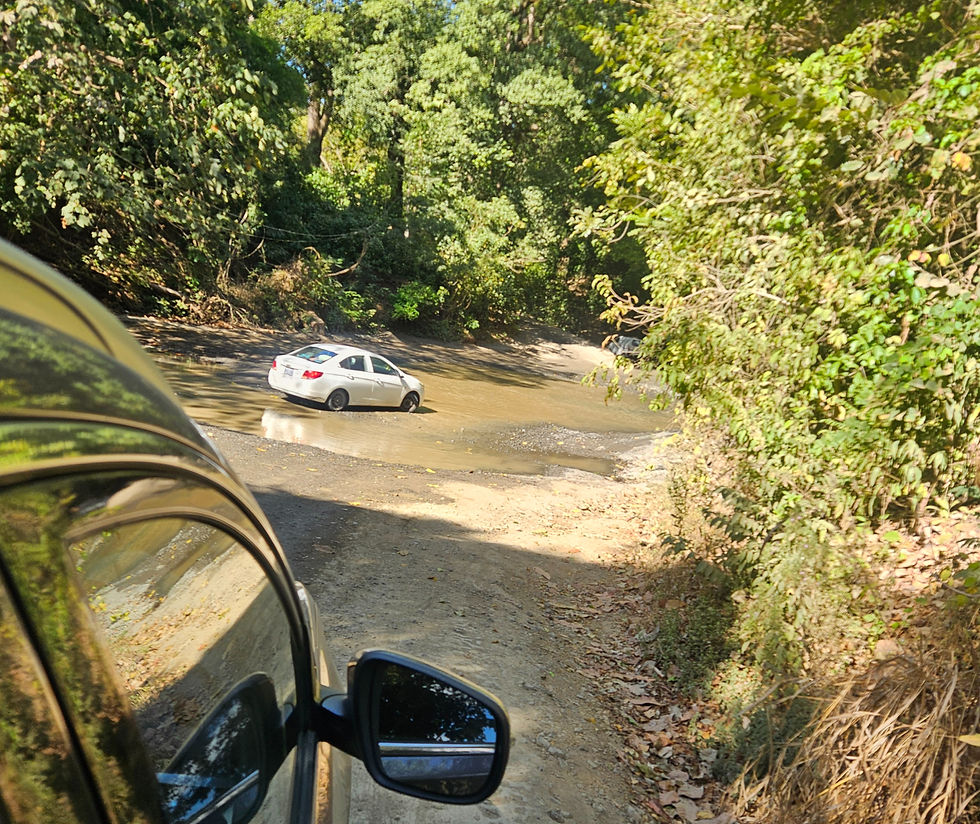
One thing I learned: rent an SUV if you can. Some routes — like the “Monkey Trail” — involve crossing shallow riverbeds. Our driver took that route to Tamarindo, and we literally drove through a river. Luckily, rainy season was over.
Practical Tips for Costa Rica
1. Costa Rica is more expensive than people expect
Travel costs in hotspots like La Fortuna and Manuel Antonio can feel close to U.S. prices especially for food, tours, and park entry fees. National parks often start around $15 and tours around $60 USD each.Stay in modest hotels or hostels and splurge on the activities , that’s where Costa Rica shines.
2. Eat at “sodas” — the local mom‑and‑pop restaurants
These are the best value in the country. A full casado (rice, beans, salad, meat/fish) usually runs 4,000–6,000 colones and is filling, fresh, and authentic.
Smart move:Breakfast at your hotel + lunch at a soda = big savings without sacrificing experience.
3 . Choose your rental vehicle based on where you’re going — not your budget
Costa Rica’s roads vary wildly. Paved highways are fine, but rural areas, beach roads, and mountain routes can be rough, steep, or potholed where 4x4 SUV prefered.
Our Take
This was a last‑minute trip, which meant limited options for hotels and transportation, but Coco Beach ended up being a welcome surprise. It felt calmer and less pushy than many Mexican beach towns, with an overall sense of safety that made wandering the streets and beaches . Costa Rica also felt very safe to us.
Because we booked so late, we didn’t rent a car and relied on a driver for the Tamarindo day trip. Next time, we’ll definitely rent one — there are so many other places in Costa Rica we want to explore. And there will be a next time. We’re already planning to return next winter, and for much longer, to escape the cold and soak up more of what Costa Rica does best: warm weather, friendly people, and a pace of life that makes you want to stay.
What surprised me most about Coco wasn’t just the beaches or the day trips — it was the small, unexpected moments that ended up defining the place for me. Feeding two scrappy street cats, helping a man who simply needed food for his kids… those quiet interactions reminded me that travel isn’t only about scenery. It’s about showing up with a bit of kindness, staying open, and remembering that respect goes a long way. Costa Rica gave us sun and surf, but it also gave us perspective — the kind that sticks with you long after you’ve flown home.
Practical Tips for Costa Rica
1. Costa Rica is more expensive than people expect
Travel costs in hotspots like La Fortuna and Manuel Antonio can feel close to U.S. prices especially for food, tours, and park entry fees. National parks often start around $15 and tours around $60 USD each.Stay in modest hotels or hostels and splurge on the activities , that’s where Costa Rica shines.
2. Eat at “sodas” — the local mom‑and‑pop restaurants
These are the best value in the country. A full casado (rice, beans, salad, meat/fish) usually runs 4,000–6,000 colones and is filling, fresh, and authentic.
Smart move:Breakfast at your hotel + lunch at a soda = big savings without sacrificing experience.
3 . Choose your rental vehicle based on where you’re going — not your budget
Costa Rica’s roads vary wildly. Paved highways are fine, but rural areas, beach roads, and mountain routes can be rough, steep, or potholed where 4x4 SUV prefered.


Comments