
Exploring the Maritime Gems of Canada: From Peggy's Cove to the Cabot Trail

Updated: Feb 25
Even though we’ve seen parts the world, we realized we hadn’t seen much of our own roots. So we decided to fix that and fly out to Canada’s East Coast. The Maritimes have a way of mixing rugged beauty with real, everyday charm — the kind you don’t fully appreciate until you’re standing on a windy cliff or wandering a harbour with friends you haven’t seen in ages. From the lighthouse at Peggy’s Cove to the sweeping views along the Cabot Trail, the region feels both familiar and completely new at the same time. This trip took us through some of the classics — the Bluenose, HMS Sackville, the Citadel, the Bay of Fundy, Annapolis — but what made it memorable was seeing it all through the lens of our own history, with good company and zero rush.

Discovering Peggy’s Cove and Its Timeless Charm
We were staying near Halifax near where my wife’s high‑school friend and her family live — She wanted to meet up and bring her daughter, two absolute rays of sunshine who made the whole trip feel like a reunion for my wife. The four of us piled into her little Beetle convertible, top down that day , and they whisked us around the coast like a local mother‑daughter dynamic duo. Seeing Peggy’s Cove with them made it feel less like sightseeing and more like being shown someone’s favourite backyard.
Peggy’s Cove is one of those places you’ve seen in photos a thousand times, but standing there in person still hits differently. The classic red‑and‑white lighthouse perched on those massive granite slabs looks almost unreal, like someone placed it there just to make Canada look good. The wind was doing its usual Atlantic thing — strong enough to remind you who’s boss — while we wandered the rocks, watched the waves smash against the boulders, and tried not to get soaked.
The village itself is tiny, rugged, and exactly what you hope a Maritime fishing community will feel like. We poked around the little shops and galleries, grabbed some seafood, and just took in the views. Peggy’s Cove may be one of the most photographed spots in Canada, but it still feels personal when you’re there — especially when you’re exploring it with friends who know the area inside out.
Sailing History: The Blue Nose and HMS Sackville
The Blue Nose is a legendary schooner that symbolizes Nova Scotia’s rich maritime heritage. Originally built in 1921, the Blue Nose won numerous races and became a symbol of speed and skill on the water. Today, a replica of the Blue Nose offers tours and sailing experiences, allowing visitors to connect with the seafaring traditions of the region.

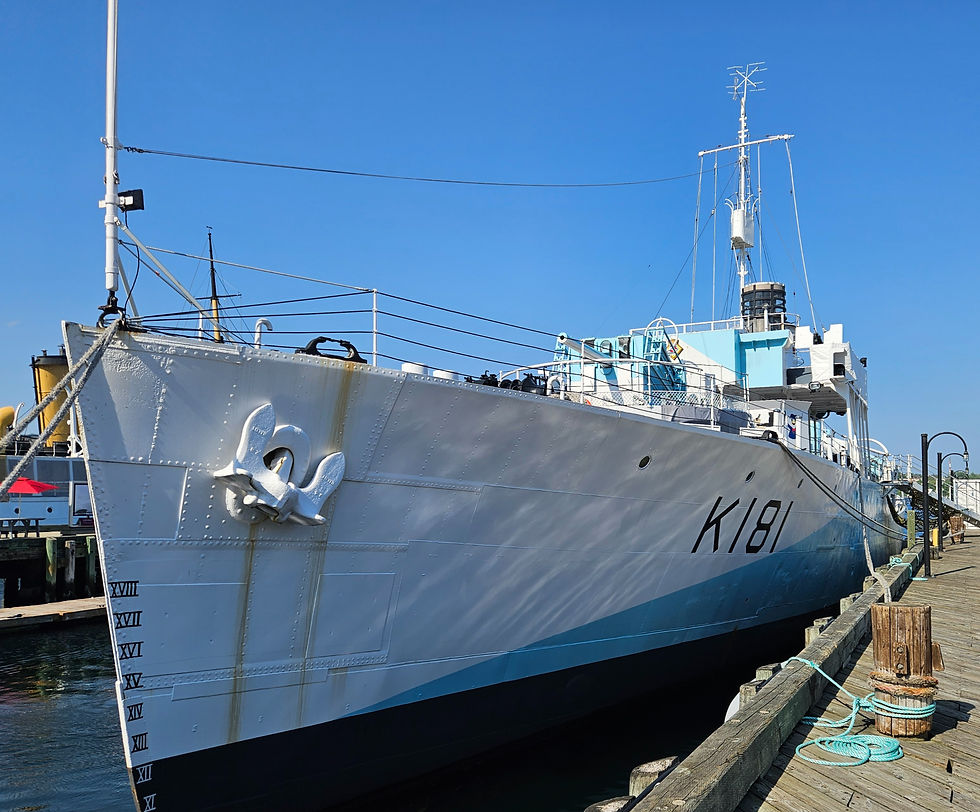
Another historic vessel, HMS Sackville, is a World War II corvette preserved as a museum ship in Halifax. It played a crucial role in escorting convoys across the Atlantic during the war. Touring HMS Sackville offers a glimpse into naval history and the lives of sailors who protected Canada’s shores.
Exploring Halifax and the Citadel
Halifax, the capital of Nova Scotia, blends modern city life with deep historical roots. My wife’s friend also took us to the Citadel, a star‑shaped fortress built in the 18th century that overlooks the city. Visitors can walk the ramparts, watch reenactments, and learn about Halifax’s military past.
The city’s waterfront is lively, with markets, restaurants, and museums. It’s also a gateway to exploring the Bay of Fundy and other Maritime attractions. Halifax offers a balance of urban energy and historical depth, making it a must-visit destination.
Experiencing the Bay of Fundy’s Natural Wonder
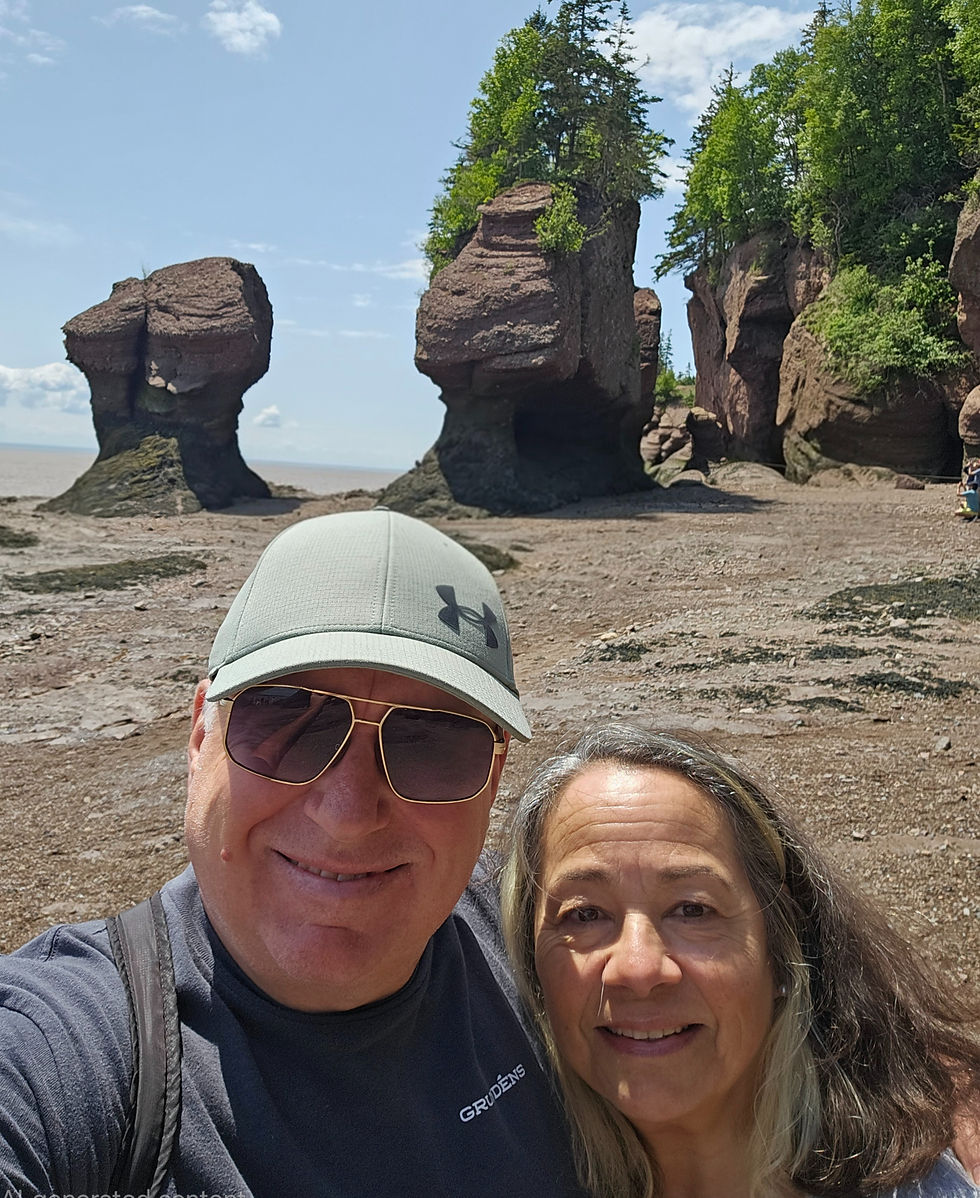
The Bay of Fundy is famous for having the highest tides in the world — up to 16 metres of water rising and falling each cycle . We spent the entire day wandering around the viewpoints and trails, taking in the dramatic cliffs and exposed sea floor, along with what felt like half the tourists in the Maritimes. Somehow, despite all that time, we still managed to miss the big tide coming in, which everyone talks about like it’s the main event.
Some of the access points have really long staircases down to the beach, which can be a bit of a challenge for older visitors, but the views are worth every step. Fundy National Park itself is a fantastic site — rugged, wild, and constantly shifting with the tides. Even without catching the famous tidal surge, it’s one of those places where nature’s power is on full display, and spending a full day there felt like barely scratching the surface.
Driving the Cabot Trail: A Scenic Journey
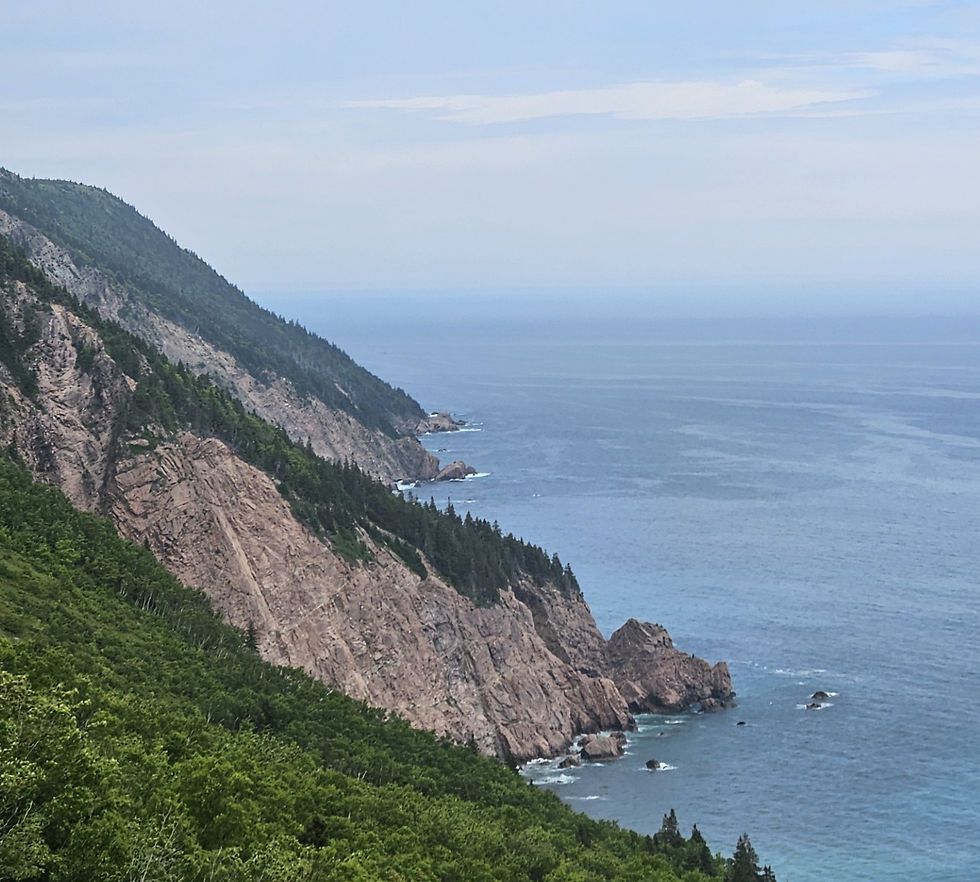
The Cabot Trail is a 298‑kilometre loop around the northern tip of Cape Breton Island, and getting there is a long drive — the kind that feels even longer when the road keeps twisting through hills, coastline, and postcard‑worthy scenery. But honestly, the views make the hours fly by. We made a day of it, stopping at tiny shops and bakeries along the way, the kind of places where you walk in for a coffee and walk out with pastries you absolutely didn’t need but couldn’t resist.
Once you’re on the trail, it’s easy to see why it’s so famous. The Atlantic stretches out beside you, cliffs rise and fall, and the highland forests make every turn feel like a new backdrop. Parts of the route cut through Cape Breton Highlands National Park, and some of the viewpoints come with long staircases — great for photos, less great for older knees — but the payoff is worth every step.
There were plenty of tourists when we went, but it didn’t take away from the experience. The Cabot Trail is one of those drives where the landscape does all the talking, and spending the whole day out there felt like the only proper way to do it.
Exploring Annapolis
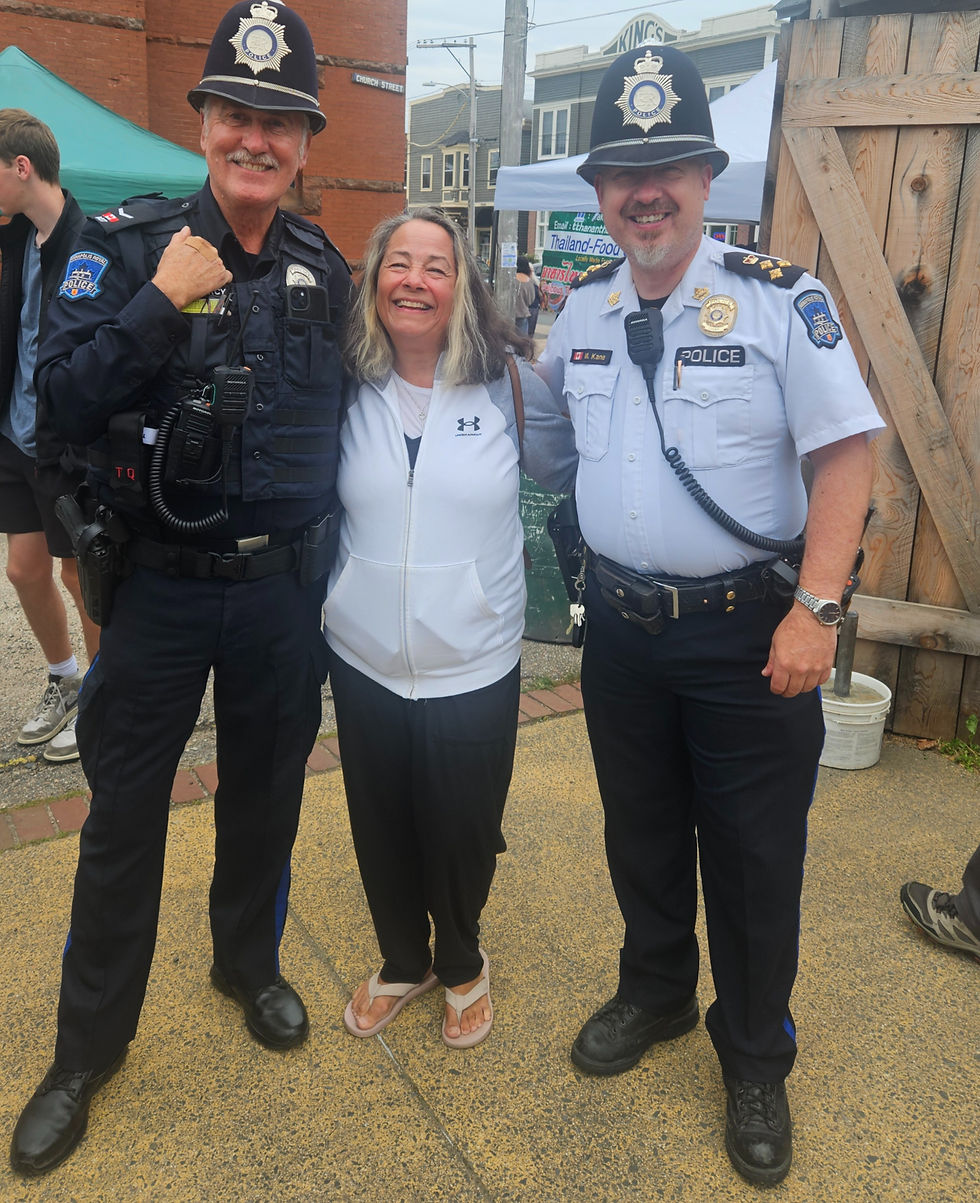
We also met a few characters at the weekend market — the kind of place where you go in for a look and come out with things you never planned on buying. We picked up some homemade gin, grabbed a bottle of really good maple syrup to take home, and chatted with a couple of local vendors who seemed to know everyone within a 20‑kilometre radius. Even the cops working the market were in a good mood. One of them jokingly flirted with my wife, something along the lines of, “Do you want the cuffs?” which got a big laugh from everyone around. Just another Maritime moment — friendly, harmless, and full of personality.
P.E.I. and New Brunswick
Crossing into PEI over the Confederation Bridge is an experience on its own — eight kilometres of open water, wind pushing at the car, and the kind of view that makes you think, I would not want to do this in winter. Once we were on the island, the pace instantly slowed. PEI is beautiful, but it also shuts down early; we had a hell of a time finding a liquor store after 5 p.m. And getting to a restaurant felt like crossing the entire province — which, to be fair, only takes about an hour from one side to the other. It’s small, friendly, and charming in that “everyone knows everyone” way.
New Brunswick gave us a different kind of show. We watched the tides race up the river — part of the Bay of Fundy’s insane tidal effect — and it’s wild to see how fast the water moves. Then there was Magnetic Hill, which I remembered from those old National Film Board of Canada shorts we watched in school. As a kid, it looked like magic: cars rolling uphill in reverse with no engine. Spoiler alert — it’s an illusion, but still fun to see in person and finally check off the list.
Practical Tips for the Maritimes
1. Pack for wind first, rain second
The Maritimes aren’t defined by rain — they’re defined by wind. Even on sunny days, a stiff coastal breeze can make 18°C feel like 10.
A light windbreaker or fleece gets more use than a heavy raincoat.
Bonus: Weather changes fast. Layers beat bulk.
2. Seafood shacks > restaurants
The best lobster rolls, clams, and chowder usually come from:
• Wharf shacks
• Co‑op fisheries
• Roadside trailers
They’re cheaper, fresher, and more fun than sit‑down restaurants.
If locals are lined up, you’ve found the right place.
3. Driving takes longer than the map suggests
Distances look short, but:
• Coastal roads curve
• Speed limits drop through every village
• You’ll stop constantly for views, lighthouses, and photo ops
A “2‑hour drive” can easily become 3.
Plan fewer daily stops and enjoy the slow rhythm — that’s the whole point of the Maritimes.
Our Take
Like many people, we eventually had that moment of realization: how have we travelled all over the world but barely explored our own country? The Maritimes made that hit even harder. After a few days out here, I could honestly see myself living in one of these towns — everything feels more laid‑back than anywhere in BC. Mornings were slow in the best way: coffee in hand, wandering through markets, chatting with locals, and easing into the day instead of racing through it.
The Maritime provinces offer this effortless mix of history, nature, and culture. One minute you’re standing on the rocks at Peggy’s Cove, the next you’re winding along the Cabot Trail with scenery that doesn’t look real. From historic ships like the Bluenose and HMS Sackville to the insane tides of the Bay of Fundy, and the welcoming towns of Annapolis and Halifax, every stop shows a different side of the region. It’s the kind of place that invites you to slow down, look around, and actually connect with where you are — something we didn’t realize we were missing until we got here.
Only three provinces and three territories to go, and we can finally say we can finally
say we've seen the whole country. Funny how it took us this long to start exploring our own backyard, but every trip out east makes us wonder why we didn’t do it sooner.


Comments