
My must See Favorite Aviation and Miltary Museums

Updated: Feb 26
Aviation enthusiasts and casual travelers alike can find joy in exploring the rich history of flight through aviation museums. These institutions not only showcase stunning aircraft but also tell the stories of the pioneers who made flight possible. From military jets to commercial airliners, each museum offers a unique glimpse into the world of aviation. Below is a photo of a Halifax bomber I took while visiting the Canada Aviation and Space Museum!

The Battle of Britain Memorial at Capel‑le‑Ferne
We stopped at the Battle of Britain Memorial at Capel‑le‑Ferne, and my wife’s cousins weren’t exactly thrilled when they realized most of the museum was filled with pieces of destroyed aircraft — twisted metal, engine parts, and the odd larger remnant or bomb casing outside. Their running commentary was priceless, and we ended up laughing more than anything. I practically had to twist their arms to pull in, but once we got inside the exhibit — the one dedicated to the airmen, ground crew, and ATC who held the line over Hellfire Corner — the mood shifted. The stories, the photos, the human side of it all landed in a way the wreckage never could. By the time we walked back out past the RAF airman statue staring over the Channel, even they admitted it was worth the stop… just not too loudly.
Highlights:
The Seated RAF Airman Statue
The centrepiece of the site — a lone airman carved in bronze, quietly looking out over the Channel toward the very airspace where the Battle of Britain was fought. Simple, powerful, and impossible not to pause in front of.
The Wreckage and Relics
Inside the visitor centre you’ll find pieces of destroyed aircraft, engine fragments, bomb casings, and other remnants pulled from crash sites across Kent. It’s not polished or glamorous — it’s raw history, and that’s what makes it hit harder.
The Wing Exhibition
The modern visitor centre shaped like a Spitfire wing houses displays dedicated to the airmen, ground crew, and ATC who kept Britain in the fight. Stories, photos, and personal accounts bring the human side of Hellfire Corner to life.

The Museum of Flight, Seattle, USA
The Museum of Flight in Seattle is the largest independent, non-profit air and space museum in the world. It features over 175 aircraft and spacecraft, including military jets and commercial airliners. I visited the Museum of Flight with my son some time ago and loved wandering through the hangars full of historic aircraft and hands‑on exhibits; it felt like stepping into aviation history. We also did the Boeing plant tour, which was unforgettable — walking alongside the assembly lines, seeing massive fuselages and wings being fitted, and hearing the hum of the factory brought home the sheer scale and precision of modern aircraft manufacturing. It was a brilliant, slightly awe‑inspiring father‑and‑son day that mixed history, engineering, and a lot of “wow” moments.
Highlights:
Boeing 747: Step inside the iconic jumbo jet.
Concorde: Experience the supersonic passenger aircraft.
Space Shuttle Trainer: A unique opportunity to see how astronauts trained for space missions.
The museum also offers educational programs and events, making it a great destination for families.
3. Imperial War Museum , England
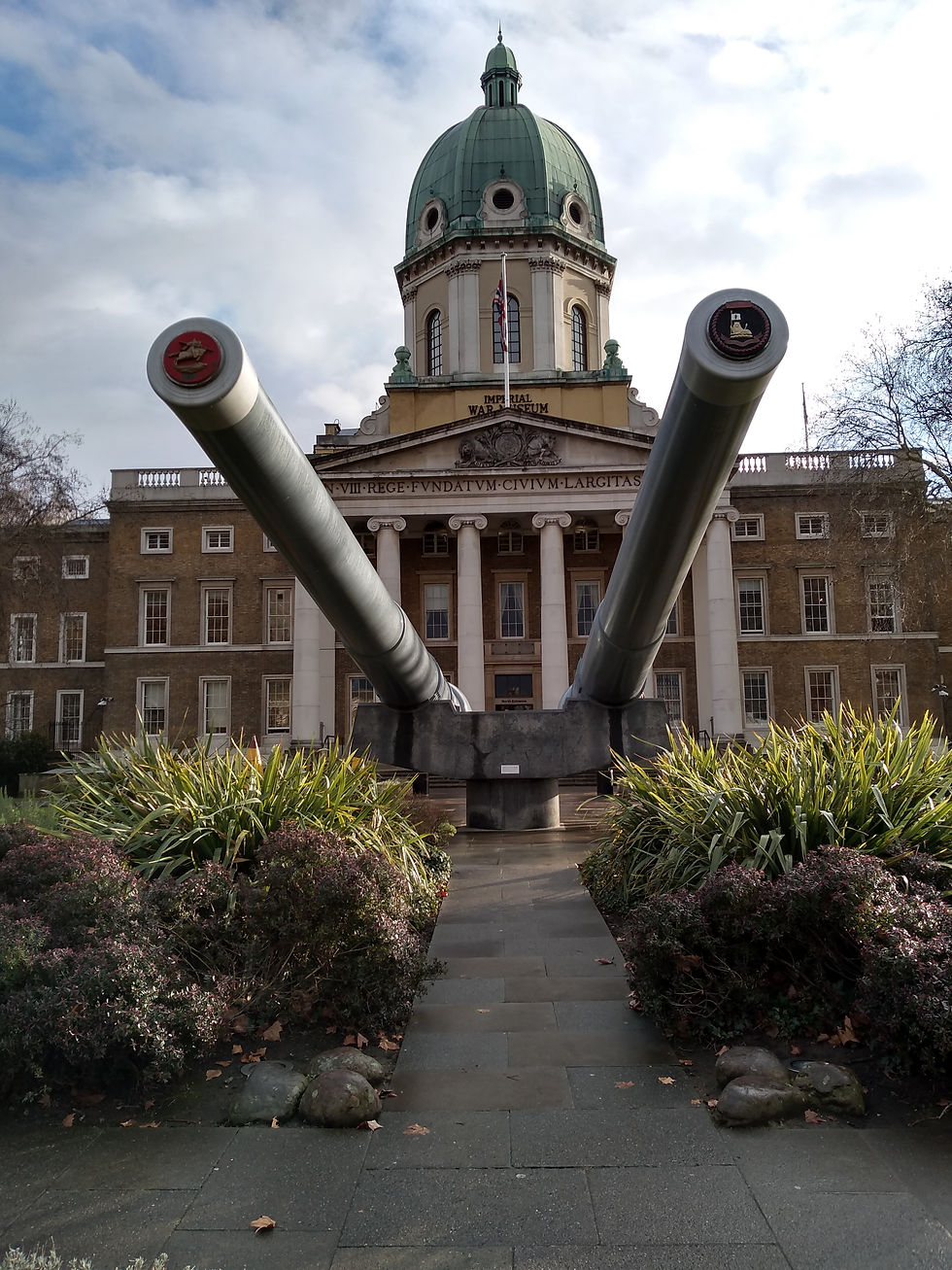
Ive been to the Imperial War Museum London as well as Duxford several times each. The Imperial War Museum London explores the human stories behind modern conflict, from World War I to today.Its exhibits blend powerful artifacts, personal testimonies, and immersive installations.A visit feels less like a history lesson and more like stepping into the lived experience of those who endured war.
IWM Duxford , near Cambridge is Britain’s largest aviation museum, set on a historic WWII airfield.Its hangars showcase legendary aircraft—from Spitfires to Concorde—alongside powerful personal stories of flight and conflict.The live airfield brings history to life, with restorations and flying displays happening right in front of you. Both of these museums are must sees if your a WW2 buff like me.
Highlites :Duxford
Supermarine Spitfire: A symbol of British resilience during WWII.
Concorde: Another chance to see this iconic aircraft.
American Air Museum: Dedicated to the role of American air power in the UK.
.
Highlights: London
The Holocaust Galleries — a deeply moving, meticulously curated journey through one of history’s darkest chapters, told through personal stories and powerful artifacts.
The First World War Galleries — immersive, atmospheric exhibits that place you inside the lived experience of soldiers and civilians during WWI.
The Second World War Galleries — a sweeping look at global conflict, blending objects, film, and testimony to show how WWII reshaped the world.
The Atrium Exhibits — iconic large‑scale objects like a Spitfire, V‑2 rocket, and a Harrier jet suspended dramatically overhead.
London Again — and Back Into the War Rooms
I’ve been to London more times than I can remember — at least a dozen trips over the years — and I’ve ended up at Churchill’s War Rooms a few times now. It’s one of those places I keep getting drawn back to. There’s something about walking down into that bunker, knowing the whole country was being run from those cramped little rooms, that never gets old. The maps, the phones, the worn‑down desks… it all feels like the staff just stepped out for a smoke and never came back. Even after multiple visits, it still hits the same way — a strange mix of history, tension, and that very British “carry on” energy buried under the streets of London.
Palm Springs Air Museum
We swung by the cool little aviation museum in Palm Springs — great spot, but stepping out of the car in mid‑August felt like opening an oven door. I’d managed to put a scrape in the rental car bumper earlier in the trip and even bought the stuff from AutoZone to fix it, but the heat was so brutal I took one look at the sun, one look at the bumper, and thought, Nope. Not today. So we wandered the museum instead, sweating through the hangars, admiring the aircraft, and pretending the rental company wouldn’t notice a thing.
Highlights:
Climbing inside the Flying Fortress The best part by far — squeezing through the narrow passages, stepping over the bomb‑bay catwalk, and seeing the nose and radio room up close. It gives you a whole new respect for the crews who flew long, freezing missions in something that feels more like a rattling tin can than a bomber.
Air‑Conditioned Hangars in Desert Heat
In mid‑August, the second you step outside you feel like you’re being slow‑roasted. Those cool hangars are absolute salvation, letting you wander around the aircraft without melting into the floor.
Volunteers With Real Aviation Stories
The docents are former pilots, mechanics, and vets who love talking shop. They’ll tell you the kind of behind‑the‑scenes stories you’ll never find on a plaque — the stuff that makes the aircraft feel alive.

Royal Air Force Museum, London, England
This a a great museum and have been to this one a few times ! My great uncle was part of RAF Bomber command and flew missions over Germany to locate bomb targets and later to assess succcess and damage. The Royal Air Force Museum in London is dedicated to preserving the history of the RAF and its aircraft. It features a vast collection of planes, from World War I to the present day.
Highlights:
Historic Aircraft Collections — from early biplanes to Cold War jets, including icons like the Spitfire, Hurricane, and Lancaster.
Interactive Exhibits: Engage with the history of the RAF through hands-on displays.Historic Aircraft Collection — from early biplanes to Cold War jets, including icons like the Spitfire, Hurricane, and Lancaster.
The Bomber Hall — a dramatic space featuring heavy bombers and the stories of the crews who flew them.
Interactive and Immersive Exhibits — flight simulators, hands‑on displays, and atmospheric galleries that bring the evolution of the Royal Air Force to life.
The museum also offers educational programs and events throughout the year.
Historiale War Museum in Cassino
After visiting the abbey at Monte Cassino, we drove down to see the museum at the bottom, only to find it closed. Figures. We wandered around Cassino anyway, then noticed a tour bus parked outside and the gate wide open — perfect timing. So in we went. Inside the courtyard everything was in Polish: shirts, books, banners, the whole lot. Turned out it was a one‑day temporary Polish display, set up just for that tour group. We were about to head into the main building when a woman approached me and asked, in broken English, “Are you Polish?” I said no, and she replied, “This is a closed tour,” which still makes me laugh. We never actually got inside the real museum, but the whole moment stuck with us.
For my wife, the area was especially meaningful. Her dad served here with the Canadian armoured regiment in a Sherman tank, and he used to tell us stories about sleeping in vineyards and the chaos of those days. Even stumbling into the wrong tour on the wrong day felt like brushing up against a piece of his history.
Highlights:
Immersive Multimedia Storytelling of the Four Battles
Immersive Multimedia Storytelling of the Four Battles
The museum was designed by filmmaker Carlo Rambaldi, so it’s built like a cinematic walk‑through of the war. You move room to room through films, soundscapes, projections, and recreated scenes that show how Cassino was destroyed and rebuilt. It covers everything from the end of WWI to the final Allied push in 1944.
The Strategy & Operations Rooms
Three dedicated rooms break down the military operations around Monte Cassino — including the Gustav Line, the Rapido River crossing, and the brutal terrain that shaped the fighting. There’s a large 3D terrain model of the whole area, plus maps, timelines, and visual breakdowns of how each phase of the battle unfolded.
First‑Person Testimonies & Civilian Stories
One of the museum’s strongest elements is the inclusion of local civilian accounts — bombings, displacement, and the devastation of the town. It also covers difficult topics like the Marocchinate and the human cost on both sides. These personal stories give the battle emotional weight beyond the military history.
River Kwai / JEATH War Museum Kanchanaburi Thailand
We met a couple of Brits from Manchester at a little coffee shop near the River Kwai and ended up spending the day together — one of those easy travel friendships that just happens, and somehow we still keep in touch. After the museum we walked over to the nearby war graves, rows of perfectly kept markers in the heat and quiet. We always make a point of visiting Commonwealth cemeteries wherever we go — Canada, Europe, Asia anywhere our soldiers fought and died. Standing there, reading the ages and the regiments, you can’t help but think about what the POWs went through building the railway: brutal heat, starvation rations, disease everywhere, and back‑breaking work with almost no tools. It’s a peaceful place now, but the history sits right under the surface.
The POW Bamboo Hut Reconstruction
The museum’s most powerful section is the life‑size bamboo hut, built to show exactly how Allied POWs lived while working on the Thai–Burma Railway. It’s cramped, dark, and brutally honest — a real jolt when you step inside.
Artifacts From the “Death Railway”
Tools, photos, personal items, and pieces of the original railway are displayed throughout. Nothing fancy — just raw, real objects that make the suffering very tangible. You get a sense of the heat, disease, starvation, and impossible labour conditions the men faced.
Location Beside the Famous Bridge
The museum sits right next to the black‑steel Bridge over the River Kwai. You can walk across it, watch the trains roll through, and see the river that became famous for all the wrong reasons. The contrast between the peaceful scenery and the history behind it hits hard.

Canada Aviation and Space Museum, Ottawa, Canada
The Canada Aviation and Space Museum is home to the world's largest collection of aircraft from Canada. It showcases the country's aviation history and contributions to aerospace. We spent a lively morning at the Canadian Aviation and Space Museum in Ottawa, wandering through hangars of historic aircraft and soaking up the stories behind each display. One of the highlights was an unexpectedly fun snowbird cockpit that let us feel the rush of sitting in one while staying warm indoors. There was a good mix of hands on exhibits , as well many aircraft outside for viewing.

Highlights:
Silver Dart: The first powered aircraft to fly in Canada.
Avro Arrow: A significant Canadian military aircraft.
Space Exhibits: Learn about Canada's role in space exploration.
The museum offers guided tours and educational programs for visitors of all ages.
Intrepid Sea, Air & Space Museum
New York was really my wife’s playground — musicals, Broadway marquees glowing at night, and more restaurants than we could ever hope to try. She was in her element, floating out of each theatre like she’d just been plugged into a power source. And honestly, the city ticks every box: culture, history, food, noise, characters on every corner. So after a few shows (and a few very good meals), I was rewarded with a trip to the USS Intrepid, which felt like stepping straight into aviation history parked right on the Hudson. That’s the thing about New York — we each got our version of perfect, all in the same city.
Highlights:
The Aircraft Collection on the Flight Deck
Rows of Cold War and modern jets, helicopters, and even a British Harrier — all sitting out on the deck with the Manhattan skyline behind them. It’s one of the best aviation photo ops anywhere.
The Space Shuttle Enterprise
The Intrepid is home to NASA’s prototype shuttle. Seeing it up close — the tiles, the size, the shape — is a real “wow” moment, especially if you’re into aviation or space history.
Exploring the Ship Itself
You can wander through the hangar deck, crew quarters, and command areas. It gives you a sense of how cramped and busy life was on a WWII‑era carrier that later served in Vietnam and even recovered astronauts.
None of our family were in the D‑Day landings — my wife’s dad was in Italy with the Canadian armoured regiment, the group jokingly called the “D‑Day Dodgers.” While we were waiting in the tour area at Juno Beach, we ended up chatting with a couple from Kentucky. Just light small talk, nothing more, and off we all went. A week later, we were walking down a street in Paris when I suddenly heard, “Hey, Phil!” from a café. I turned around thinking they had the wrong guy, and there they were, waving like old friends. “We met in Normandy,” they laughed, and it all clicked. We sat down for coffee, swapped stories, and only then did I learn he was a retired rocket scientist — the kind of detail you never see coming. We still keep in touch. That’s the magic of travelling: you cross paths with people for five minutes, and somehow they end up woven into your life.
Our take
In the end, all the military and aviation museums we’ve wandered through — from the Intrepid on the Hudson to the quiet Arizona Memorial, from Juno Beach to the River Kwai, from Monte Cassino to the B‑17 in Palm Springs — have become their own thread in our travels. They’re never just displays or old machines; they’re places where history suddenly feels close enough to touch. With my wife’s dad having served in Italy, and our habit of visiting Commonwealth cemeteries wherever we go, these stops always carry a bit more weight. And yet they’re also full of those small, human moments — meeting people by chance, sharing stories, laughing at coincidences, and somehow staying in touch years later. It’s a reminder that history isn’t just dates and battles; it’s people, connections, and the strange, wonderful way travel keeps tying everything together.


Comments